Systems That Heat Reliably When You Need Them
Fireplace Repair in Gilmer for burner failures, damper malfunctions, and lining damage
When your gas burner fails to ignite, the damper won't close completely, or smoke backs into the room during fires, the underlying issue often involves component wear that prevents the fireplace from functioning as a sealed combustion system. Fireplace Worx repairs both wood and gas fireplace systems across Gilmer, Longview, Upshur County, Marshall, and Henderson, addressing burner assembly problems, damper hinge failures, and flue liner cracks that compromise venting. Timely repairs prevent safety hazards like gas leaks from faulty burner valves or carbon monoxide intrusion from cracked flue tiles that redirect combustion gases into living spaces.
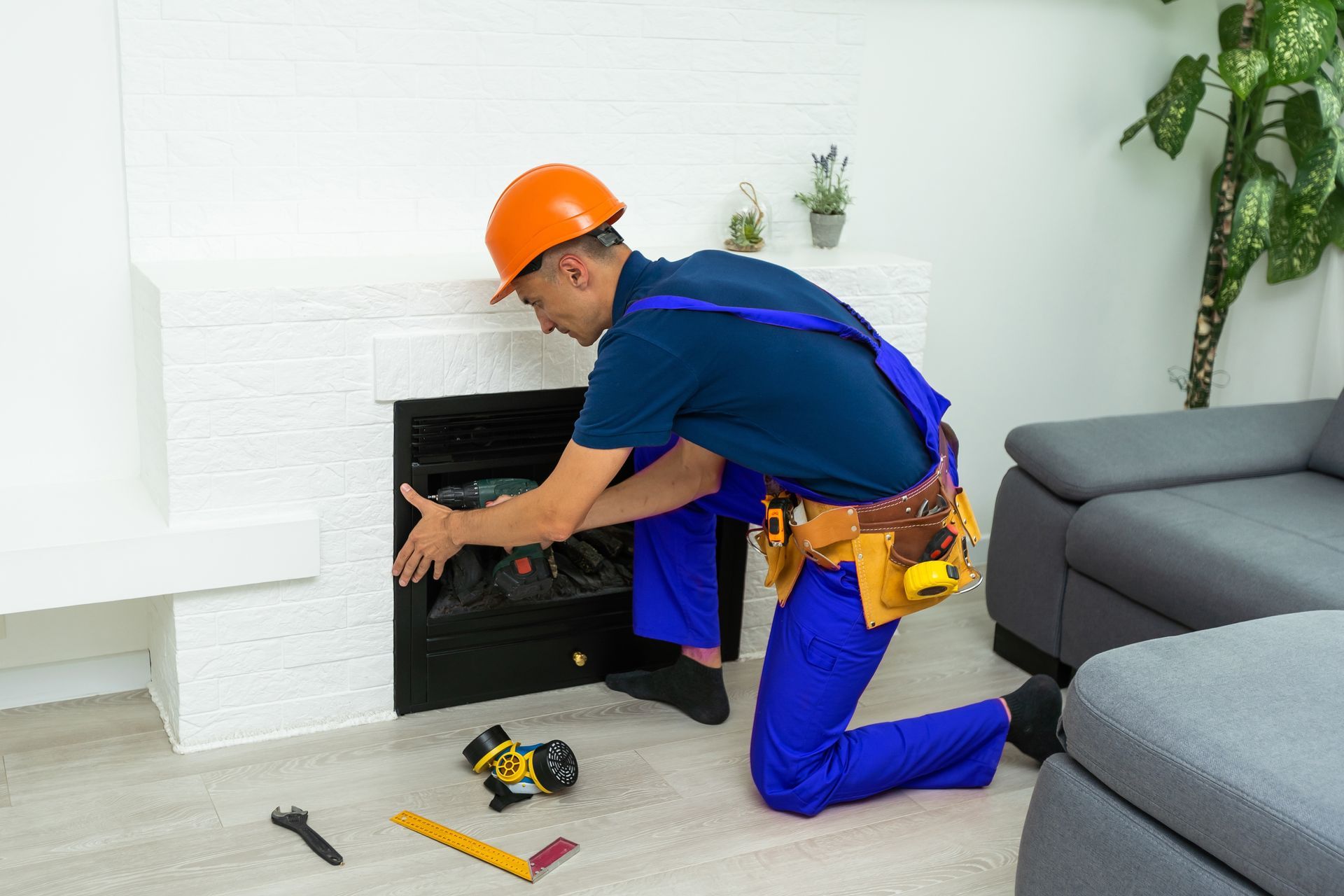
Repair work involves diagnosing the failed component—whether a malfunctioning thermocouple that shuts off gas flow prematurely, a warped damper blade that won't seal the flue opening, or deteriorated refractory panels inside the firebox that expose masonry to direct flame contact. The integrated approach addresses wood and gas systems, evaluating how burner placement, damper operation, and lining condition interact to either maintain or disrupt proper fireplace function.
Request an on-site assessment to identify the specific failure point and repair requirements.
How Fireplace Repair Addresses Component Failures
The repair process begins with isolating whether the problem originates in the fuel delivery system, the venting pathway, or the structural firebox itself. For gas systems, this means testing the pilot light assembly, checking gas valve operation, and verifying that the thermocouple sensor responds correctly to flame presence. For wood-burning fireplaces, the focus shifts to damper movement, flue draft measurements, and inspecting refractory panel integrity where high heat exposure causes cracking.
After repairs, the fireplace ignites consistently without repeated pilot light failures, the damper opens and closes smoothly across its full range of motion, and smoke vents upward through the flue rather than spilling into the room. You no longer hear gas hissing from loose connections or smell unburned fuel near the firebox. The firebox maintains heat without cracked panels exposing brick to temperatures that deteriorate mortar joints.
Some repairs require replacing entire assemblies rather than adjusting existing components—a corroded gas valve won't regain safe operation through cleaning, and a cracked flue liner needs sectional replacement to restore venting integrity. Northeast Texas homes that depend on fireplaces as supplemental heat during winter cold snaps need functioning systems before temperatures drop, making off-season repairs logistically simpler than emergency service calls during active heating periods.
Answers to Frequent Service Questions
Homeowners facing fireplace problems in the Gilmer and Longview area typically ask about diagnostic approaches, repair timelines, and what issues indicate replacement rather than repair.
What causes a gas fireplace burner to stop igniting?
The thermocouple sensor may have failed and no longer detects flame presence, shutting off gas flow as a safety measure, or the pilot light orifice has become clogged with dust, preventing sufficient flame to heat the thermocouple and signal the gas valve to open.
Why does smoke enter the room instead of venting up the chimney?
A damper stuck in the closed or partially closed position blocks the flue opening, or creosote buildup and debris inside the chimney restrict airflow enough that smoke pressure forces combustion gases back down into the firebox and through any available opening.
How long do fireplace repairs typically take?
Single-component replacements like thermocouples or damper hardware often complete within a few hours, while multi-issue repairs involving gas line rerouting or flue liner sections may require a full day depending on access conditions and parts availability.
Can a cracked firebox still be used safely?
Cracks in refractory panels or firebrick expose the outer masonry shell to direct flame contact, which deteriorates mortar and can eventually compromise the structural chimney, so continued use without repair accelerates damage and increases the risk of heat transfer to combustible wall framing.
What repairs are most common in East Texas fireplaces?
Damper components corrode from humidity exposure during months when fireplaces sit idle, gas burner pilot assemblies fail from dust accumulation in the orifice, and flue liners crack from freeze-thaw cycles that expand moisture inside masonry joints and fracture tiles during rapid temperature changes.
Fireplace Worx has demonstrated repair expertise through hands-on service for gas and wood fireplace systems across the 903 area, supported by 48 customer reviews and established service throughout Northeast Texas. Schedule a diagnostic visit to resolve fireplace malfunctions before the next heating season begins.