Structural Barriers That Actually Prevent Water Damage
Chimney cap and crown repair in Longview for chimneys showing cracks, water stains, or animal entry
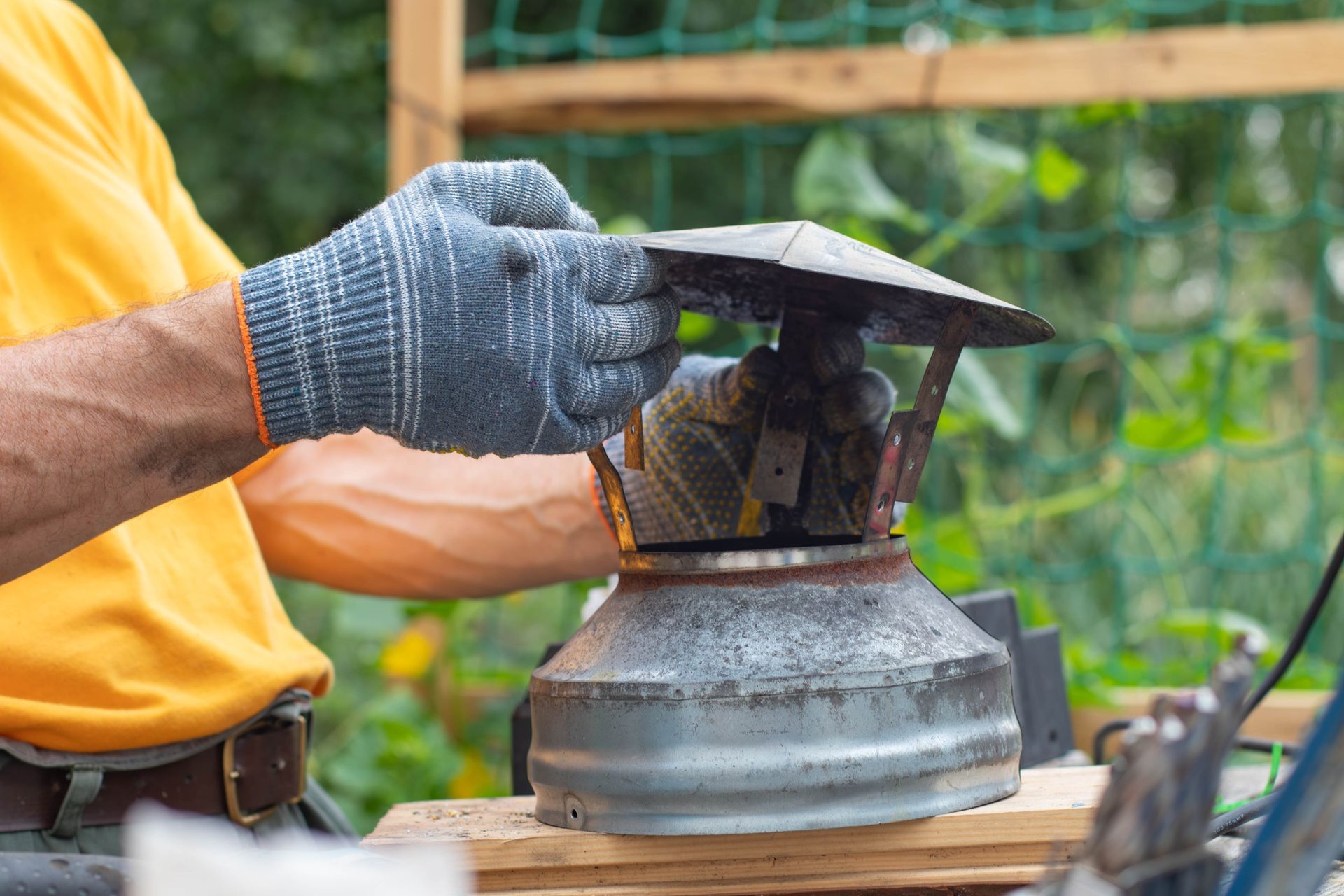
Cast crowns and metal caps deteriorate quickly under the humidity and rain patterns common across East Texas, and that accelerated breakdown allows water to migrate into brick mortar where it compromises structural integrity season after season. Fireplace Worx repairs and replaces damaged chimney caps and crowns to stop water intrusion and prevent animals from entering masonry flues in Longview, Gilmer, Marshall, Henderson, and throughout Upshur County and the surrounding region. When you see surface cracks widening across the crown or notice rust holes forming in the cap mesh, those openings already permit moisture penetration that expands during freeze-thaw cycles and degrades mortar joints from the inside out.
The chimney crown is the concrete or mortar surface that seals the top of the masonry structure, sloped to shed water away from the flue opening, while the cap is the metal cover with mesh sides that sits above the crown to block rain and animals. Both components fail when improper slope traps standing water, when freeze-thaw cycling cracks the crown surface, or when galvanized steel caps corrode through in high-moisture environments. Damage to either element exposes brick and mortar to saturation, which leads to spalling, efflorescence, and eventual structural movement as water breaks down the chimney from the top down.
Schedule a chimney inspection to identify specific crown and cap damage before water reaches interior masonry.
What Proper Crown and Cap Work Requires
Fireplace Worx inspects the crown for visible cracks, spalling surfaces, and missing mortar, then evaluates whether the existing slope provides adequate drainage or traps water against the flue. Crown repairs involve removing deteriorated material, rebuilding the surface with proper overhang beyond the brick edge, and establishing a slope that directs water away from the flue opening rather than pooling around the base of the cap. Metal cap replacement includes removing corroded units, verifying that the flue opening remains unobstructed, and installing new stainless steel or copper caps with intact mesh that blocks animals without restricting draft.
After crown and cap work is completed, you will see a smooth, sloped surface with no standing water after rainfall, and the new cap will sit securely without gaps where wind could lift the cover or animals could enter. Water that previously seeped into cracks and stained interior walls stops reaching the masonry, and the freeze-thaw damage that caused progressive spalling no longer accelerates each winter. The mesh sides of the new cap prevent squirrels, raccoons, and birds from nesting inside the flue while allowing combustion gases to exhaust freely during fireplace or stove operation.
Crown and cap work forms one component of comprehensive chimney system maintenance that includes cleaning and structural inspection, addressing both the external barriers that block water entry and the internal flue conditions that affect safe operation. Crowns rebuilt without proper overhang or slope will still trap water along the edges, and caps installed over deteriorated crowns leave the underlying structure exposed to continued damage even after the new cover is in place.
Questions Before Starting Your Project
Property owners across Longview and the surrounding areas often ask about crown and cap work before scheduling repairs, particularly when they notice water stains or see visible cracks forming across the chimney top.
What is the difference between a chimney cap and a chimney crown?
The crown is the sloped concrete or mortar seal at the top of the masonry structure, while the cap is the metal cover with mesh sides that sits above the crown to block rain and animals from entering the flue.
How does crown damage allow water into the chimney?
Cracks and missing mortar in the crown permit water to seep into the brick and mortar joints below, where it expands during freeze-thaw cycles and accelerates spalling and structural movement throughout the masonry.
Why do metal caps corrode faster in East Texas?
High humidity and frequent rain exposure cause galvanized steel caps to rust through more quickly than in drier climates, creating holes that allow water and animals to enter the flue even when the crown remains intact.
What does proper crown overhang accomplish?
A crown that extends beyond the brick edge with the correct slope sheds water away from the masonry rather than allowing it to run down the exterior surfaces where it saturates mortar joints and causes efflorescence and spalling.
When should I replace both the cap and repair the crown?
If you see rust holes in the cap mesh and visible cracks across the crown surface, both components require attention because a new cap alone will not stop water that enters through crown deterioration, and a repaired crown without a functional cap still allows animal entry and direct rain exposure.
Fireplace Worx includes chimney cleaning and structural inspection as part of comprehensive system maintenance, addressing cap and crown integrity alongside flue condition and draft performance. Request an on-site evaluation to assess both crown slope and cap condition before water damage progresses into the interior masonry.