Hearths Cleared for Efficient Operation
Fireplace Cleaning in Gilmer for firebox ash removal and glass door restoration
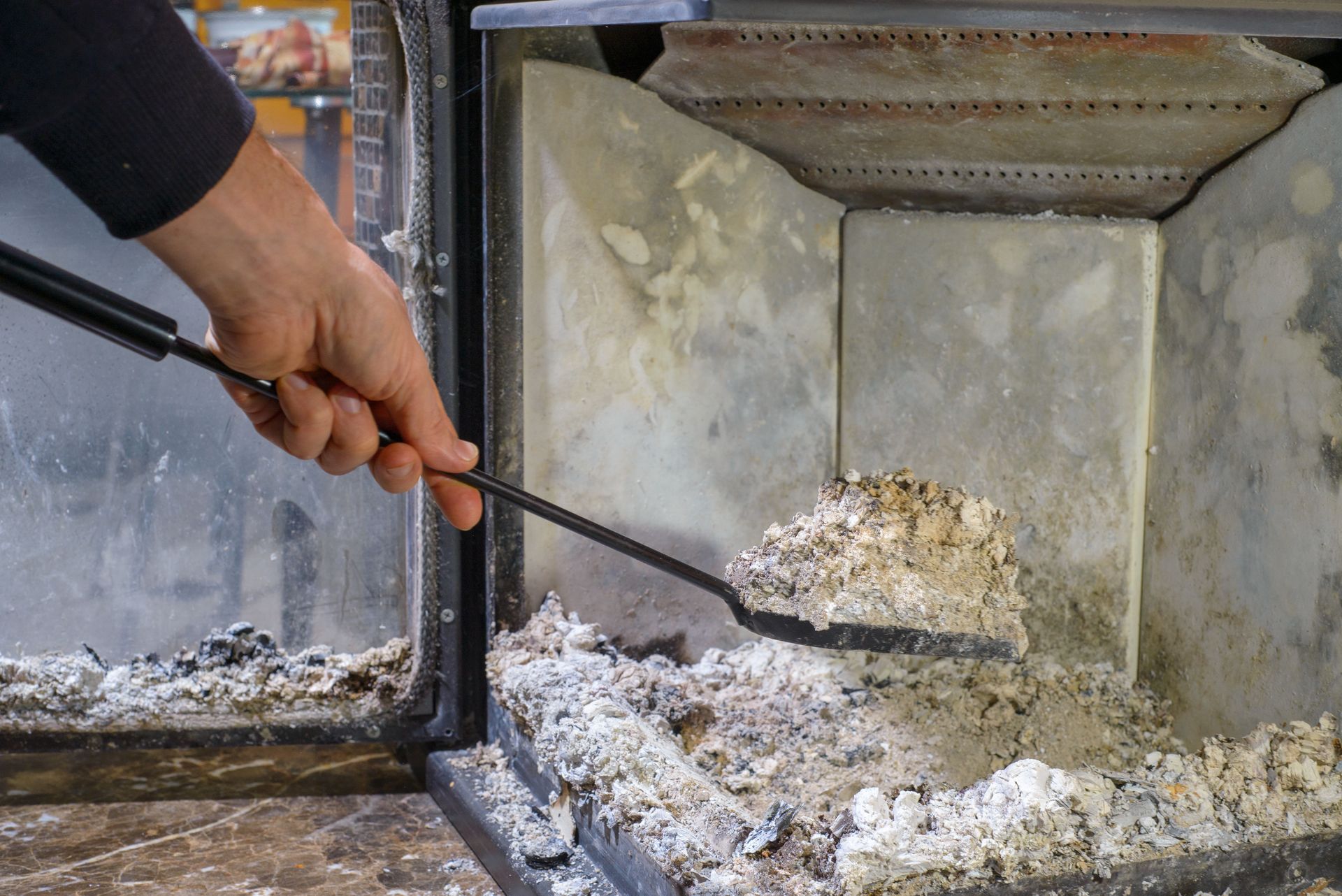
Regular fireplace use deposits ash across the hearth floor, soot on glass doors, and residue on firebox walls that restricts airflow and reduces combustion efficiency. Fireplace Worx provides deep cleaning of wood and gas fireplace fireboxes in Gilmer and surrounding Upshur County, removing ash buildup, scrubbing soot from glass panels, and clearing interior surfaces distinct from chimney sweeping, which targets the vertical flue system. Homeowners who burn wood regularly during the active heating season need periodic cleaning to maintain proper airflow through the firebox and prevent ash accumulation that smothers fires or clogs grate openings.
The cleaning process involves vacuuming ash from the hearth floor, scrubbing creosote film from glass doors using abrasive compounds that don't scratch tempered panels, and wiping refractory panels and firebrick to remove soot layers that insulate surfaces and reduce radiant heat output. Gas fireplace cleaning focuses on burner ports, ceramic log surfaces, and glass fronts where combustion byproducts create hazy films that obscure flame visibility.
Arrange a cleaning appointment to restore firebox surfaces before the next heating season begins.
The Difference Between Fireplace and Chimney Cleaning
Fireplace cleaning addresses the visible combustion chamber where fires burn and ash collects, focusing on the hearth, firebox walls, grate area, and glass doors that homeowners interact with directly. The work involves removing accumulated ash that restricts air circulation under burning logs, cleaning soot deposits that coat glass doors and block the view of flames, and scrubbing firebox surfaces that radiate heat back into the room. This service does not involve entering the flue system or removing creosote from chimney tiles above the damper.
After cleaning, glass doors show clear transparency rather than blackened haze, the hearth floor appears free of ash piles that previously spilled onto surrounding flooring, and firebox walls reflect light instead of absorbing it through soot layers. Fires ignite more easily because airflow reaches kindling without passing through dense ash beds, and flames burn brighter as oxygen circulates freely around stacked logs. You no longer track ash dust from the hearth into adjacent rooms or smell stale smoke odors when the fireplace sits cold between uses.
Cleaning does not address structural issues like cracked refractory panels or damaged firebox liners, but the process exposes these problems for visual inspection once soot coverage is removed. Gas fireplace cleaning prevents burner port clogs that create uneven flame distribution and removes carbon deposits that discolor ceramic logs and reduce their visual realism. East Texas homes that rely on fireplaces as supplemental heating during cold snaps maintain better combustion efficiency when ash and soot don't accumulate over multiple burn cycles.
Questions Before Starting Your Project
Homeowners scheduling fireplace cleaning in the Gilmer area ask about service frequency, what the cleaning includes, and how it differs from other fireplace maintenance work.
How often should fireplaces be professionally cleaned?
Cleaning frequency depends on burn volume—homeowners who use wood fireplaces multiple times weekly during winter benefit from mid-season and post-season cleaning, while occasional users may only need annual service to clear accumulated residue before storage or restart.
What removes soot from fireplace glass doors?
Specialized creosote removers or ash-based abrasive pastes break down the tar-like film that coats glass from wood smoke, applied with non-scratch scrubbing pads that lift residue without damaging the tempered surface or leaving streaks that reappear when the glass heats.
Can I clean my fireplace myself or does it require professional service?
Homeowners can vacuum loose ash and wipe accessible surfaces, but professional cleaning reaches firebox corners, scrubs baked-on soot that household cleaners don't dissolve, and inspects refractory panels and firebrick for cracks or deterioration that aren't visible under heavy residue layers.
Why does ash need to be removed from the firebox?
Excessive ash buildup restricts airflow under the grate, smothering fires and forcing incomplete combustion that produces more creosote, and deep ash beds insulate the hearth floor, preventing heat reflection back into the room and reducing overall fireplace efficiency.
Does fireplace cleaning in Gilmer address chimney maintenance?
Fireplace cleaning focuses exclusively on the firebox, hearth, and glass doors below the damper, while chimney sweeping targets the vertical flue passage above the damper where creosote coats flue tiles and debris collects in the chimney throat and cap area.
Fireplace Worx offers fireplace cleaning alongside chimney sweeping and repair services for wood and gas systems throughout Gilmer and Longview, maintaining fireplace safety and performance through the active heating season. Schedule deep cleaning to remove ash and soot buildup that reduces combustion efficiency and obscures flame visibility.