Chimneys Cleared for Another Heating Season
Chimney Sweeping in Gilmer for wood and gas fireplaces used through winter freeze cycles
East Texas freeze-thaw cycles and consistent fireplace use during cold months create conditions where creosote buildup and blockage risks increase rapidly inside chimney flues. Fireplace Worx provides chimney sweeping as a separate service from fireplace cleaning, targeting the vertical flue system that vents combustion gases from the firebox to the rooftop. Homeowners in Gilmer and the surrounding Upshur County area who burn wood regularly need annual sweeping to remove creosote deposits that accumulate on flue walls and reduce draft efficiency.
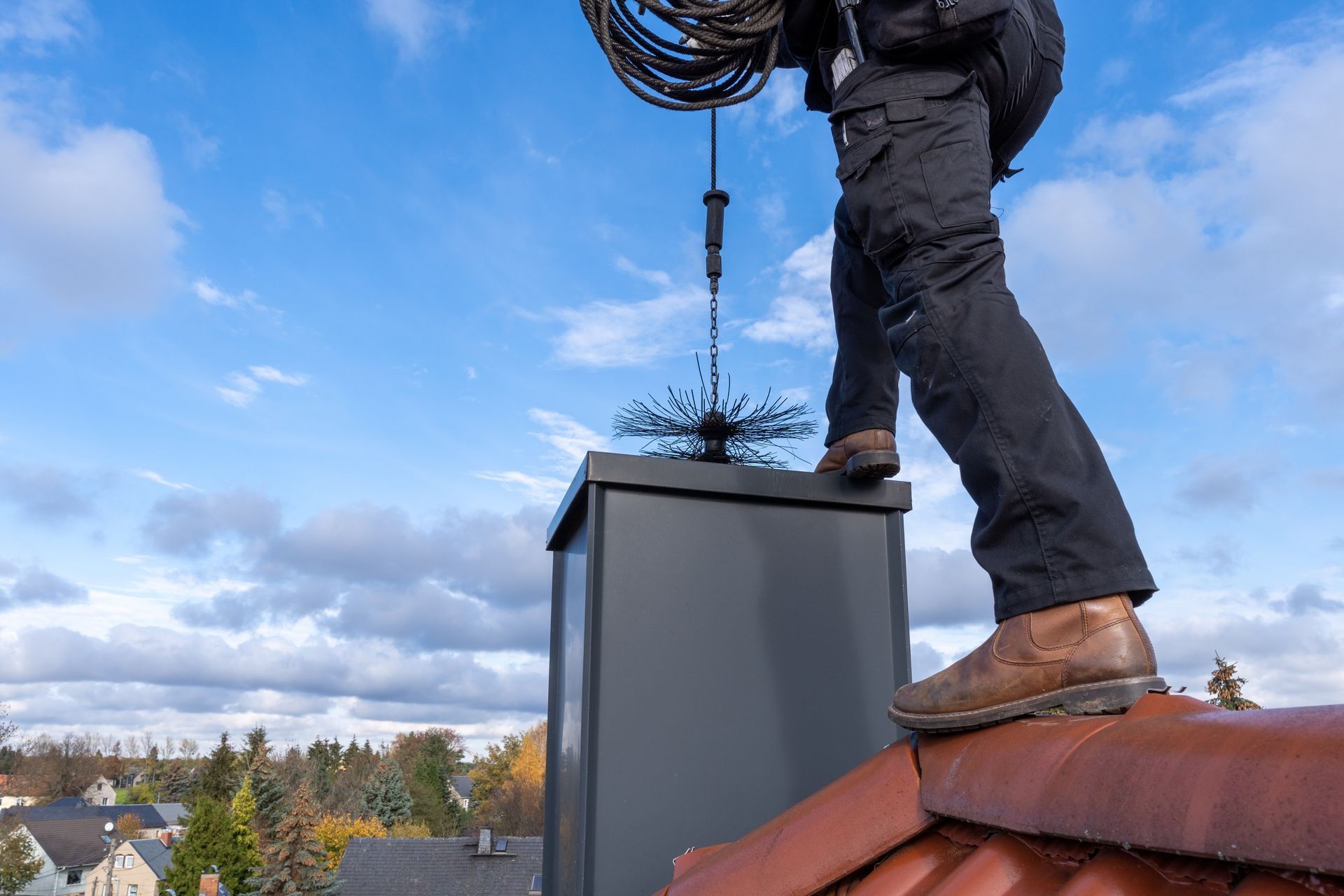
The sweeping process involves inserting rotary brushes sized to your flue diameter, scrubbing interior surfaces from the rooftop down or hearth up, depending on access conditions and chimney height. Creosote appears as a tar-like coating on flue tiles when wood burns incompletely or at low temperatures, and this residue ignites at high heat, creating chimney fires that crack flue liners and spread to roof structures.
Arrange an inspection to evaluate creosote levels and flue obstruction before the heating season begins.
What You Notice Once Sweeping Is Finished
Chimney sweeping removes the glazed creosote layer from flue tiles and clears nests, leaves, or debris that restrict airflow through the vertical passage. The draft improves immediately, pulling smoke upward more efficiently and preventing backdrafts that push smoke into the room when you open fireplace doors. Fires ignite faster and burn hotter because oxygen reaches the firebox without obstruction from restricted flue openings.
After sweeping, the flue liner shows clean masonry or metal surfaces rather than blackened buildup, and the chimney cap remains clear of blockages that redirect rain or animals into the flue. You no longer smell stale smoke odors between fires, which indicates that residue on flue walls has been mechanically removed. Northeast Texas homes that use fireplaces as primary or supplemental heat sources during winter depend on open flue passages to prevent carbon monoxide accumulation inside living spaces.
Sweeping does not repair cracked flue tiles, damaged chimney caps, or deteriorated mortar joints between bricks, but the inspection identifies these structural concerns during the cleaning process. Homeowners receive documentation of flue condition and recommendations for repairs that prevent water intrusion or further liner damage. Annual sweeping establishes a baseline for tracking creosote accumulation rates based on wood type, burn frequency, and fireplace draft characteristics..
Common Questions About Chimney Maintenance
Property owners across Gilmer and Longview ask about sweeping frequency, seasonal timing, and what the service includes beyond basic cleaning.
How often should chimneys be swept in East Texas?
Annual sweeping before the heating season addresses creosote buildup from the previous winter and clears blockages that develop during months when the fireplace sits unused, particularly nests built by birds or squirrels in open flue passages.
What is the difference between chimney sweeping and fireplace cleaning?
Sweeping targets the vertical flue system above the damper, removing creosote from flue tiles and checking the chimney cap and crown, while fireplace cleaning addresses the firebox, hearth, and glass doors where ash and soot accumulate during wood burning.
Why does creosote build up faster in some chimneys?
Burning unseasoned wood with high moisture content, operating fires at low smolder temperatures, or restricted airflow from a partially closed damper increases incomplete combustion, which deposits more tar-based creosote on cooler flue surfaces near the chimney top.
Can gas fireplaces skip chimney sweeping?
Gas combustion produces less residue than wood, but moisture and carbon byproducts still coat flue walls over time, and annual inspection verifies that the venting path remains clear and the chimney cap prevents rain entry that deteriorates metal liners.
What happens if a chimney is never swept?
Creosote layers thicken annually until they ignite from high heat during a fire, causing chimney fires that reach temperatures exceeding 2,000 degrees and crack masonry liners, warp metal components, or ignite roof framing adjacent to the chimney structure.
Fireplace Worx has built a reputation across the 903 region through 48 five-star reviews and established service for wood and gas fireplace systems. Schedule a chimney sweep to maintain safe venting and efficient draft performance through the next heating season.